Navigating Health Insurance: Understanding HMO and PPO Plans
Navigating the world of health insurance can be daunting, especially when faced with options like HMO vs. PPO plans. Whether you're choosing health insurance for yourself or your family, understanding these differences is crucial for making an informed decision. Health Maintenance Organizations (HMOs) and Preferred Provider Organizations (PPOs) represent two of the most popular types of health insurance plans, each offering unique benefits and challenges.
Understanding the complexities of health insurance requires a keen grasp of various plan options, particularly the differences between HMOs and PPOs. This knowledge is vital when making informed decisions about health insurance plans for yourself or your family. In the ever-evolving landscape of healthcare, being informed about these options becomes increasingly important.
What Are HMOs and PPOs?
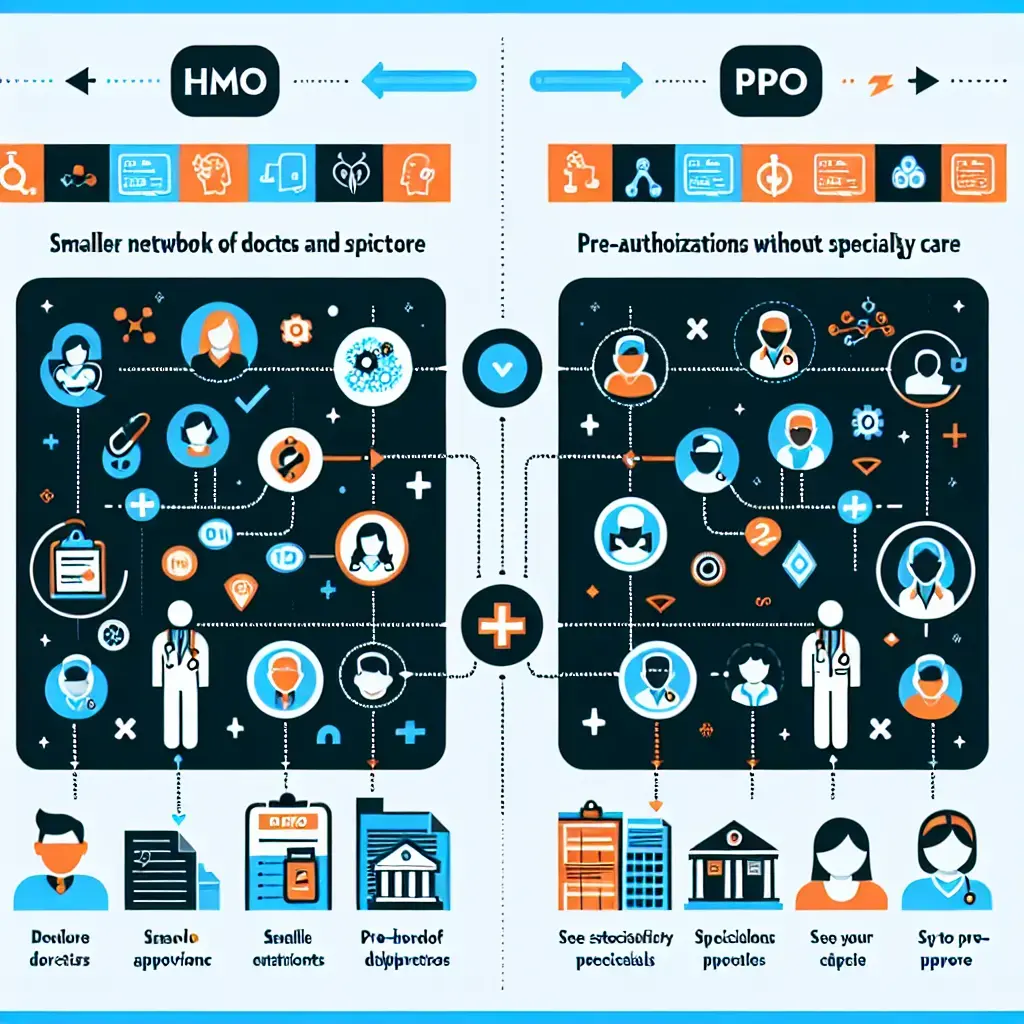
Health Maintenance Organizations (HMOs) are designed to provide comprehensive care within a defined network of healthcare providers. These plans often offer lower premiums and focus on coordinated care, simplifying healthcare management. A notable advantage is the potential for reduced out-of-pocket expenses due to negotiated rates with in-network providers. However, this comes at the cost of flexibility; HMO members typically need a referral from their primary care physician to see a specialist and must use in-network providers to ensure coverage.
Preferred Provider Organizations (PPOs), by contrast, offer greater flexibility in choosing healthcare providers. Members can visit any doctor or specialist without a referral, even outside the network, although using in-network providers results in lower out-of-pocket costs. The trade-off for this flexibility is usually higher premiums and potentially higher out-of-pocket expenses compared to HMOs.
Recent Industry Insights
Recent developments in the healthcare sector highlight companies like CVS Health, which have been at the forefront of discussions regarding health insurance stock investments. Despite some setbacks, such as missing revenue estimates in recent quarters, CVS Health's strategic moves continue to influence consumer choices and stock market dynamics, making it essential to consider how these corporate strategies might impact HMO vs. PPO options available through such providers.
HMO vs. PPO Cost Considerations
Cost is a primary factor when choosing between HMO and PPO plans. Generally, HMOs are more cost-effective due to lower premiums and limited out-of-pocket expenses for in-network services. However, the cost structures vary significantly based on individual needs and geographic location. PPO plans, while more expensive, provide the benefit of choice and convenience, especially valuable for those requiring specialized care or living in areas with limited network providers.
Coverage and Network Flexibility
Understanding HMO vs. PPO coverage differences is crucial for making an informed choice. HMO plans typically cover services provided by a network of doctors and hospitals that have agreements with the HMO. PPOs cover a broader range of services and offer greater flexibility with fewer network restrictions. According to recent studies, PPOs are more popular among employers due to their flexible networks and comprehensive coverage options.
Analyzing HMO vs. PPO Pros and Cons
When weighing the pros and cons of each plan type, consider the following:
HMOs:
- Pros: Lower premiums, coordinated care, predictable costs.
- Cons: Limited provider choice, need for referrals, strict network guidelines.
PPOs:
- Pros: Greater provider choice, no referral needed for specialists, flexible out-of-network options.
- Cons: Higher premiums, variable out-of-pocket expenses.
These considerations become even more pertinent as the healthcare industry faces shifts influenced by major players like UnitedHealth Group, which continues to be recognized for its robust performance and comprehensive service offerings.
Tailoring Health Insurance Choices for Families and Individuals
Choosing health insurance should also factor in whether you’re selecting a plan for yourself or your family. Families may prefer HMO plans for their cost-effectiveness and ease of managing family healthcare within one network. Individuals who travel frequently or have specific healthcare needs might lean towards PPOs for their flexibility.
The importance of personalized health insurance cannot be understated in today’s dynamic healthcare environment. Long-term travelers, for instance, are advised to consider international health insurance options that align with their unique lifestyle needs.
Conclusion: Empower Your Health Insurance Choices
Choosing between HMO and PPO plans is a pivotal decision that hinges on understanding each option's nuances. As outlined, here are key takeaways:
HMOs:
- Pros: Lower premiums, coordinated care, predictable costs.
- Cons: Limited provider choice, need for referrals, strict network guidelines.
PPOs:
- Pros: Greater provider choice, no referral needed for specialists, flexible out-of-network options.
- Cons: Higher premiums, variable out-of-pocket expenses.
Consider the cost-effectiveness of HMOs against the flexibility offered by PPOs. Each plan type has distinct advantages and potential drawbacks that can significantly impact your healthcare experience and financial situation.
Recent industry developments, including strategic moves by companies like CVS Health, play a crucial role in shaping available plans and prices. Understanding these dynamics can guide you in choosing a plan that aligns with your personal or family needs.
In an ever-evolving healthcare landscape, it's essential to tailor your insurance choice to your lifestyle and health requirements. Whether you're selecting a plan for a family or yourself, prioritize informed decision-making by weighing coverage against cost and convenience.
As you reflect on these considerations, remember that your health insurance choice is not just a financial decision but a commitment to your long-term well-being. We invite you to share your experiences and insights on navigating health insurance options in the comments below—your stories could provide valuable perspectives for others embarking on similar journeys.
Thank you for engaging with this important topic. Stay informed, stay healthy, and make choices that empower you.
Author: Benjamin Carter